




Electric vehicles (EVs) are becoming more popular as the world continues to shift towards sustainable energy. However, with the rapid growth of EVs, the necessary infrastructure to support this transition must be in place. In this interview, we speak with Independent ACT Senator David Pocock about Canberra’s readiness for EV infrastructure and its future prospects. Join us as we investigate Canberra’s challenges and opportunities as it prepares for a sustainable, electric-powered future.
1. The current EV ownership in the ACT sits at approximately 1300 with a forecasted ownership of 25,000 EV’s by the year 2030. How do you propose we meet or exceed this target?
“One of the Big challenges in Australia is that we don’t have fuel efficiency standards, so a lot of EV manufactures aren’t sending as many EV’s or as wide a range as they are to other European countries. So a good start (and the government has signaled that they’ll do it) is that we have world class fuel efficiency standards which means we will get more EV’s which will drive the price down because price is obviously a big factor for a lot of people. We are starting to see some Chinese EV’s like BYD enter the market which are keeping the price down and I think we are going to see more and more people realize the benefit over time on saving with an EV if you can plug it in at home or plug it in at work and not have to put fuel in.”
2. As Saul Griffith brilliantly lays out in his book electrify, what hurdles do you see for the average consumer embracing EV’s and how do you think we as a territory can overcome them?
“First off is the upfront cost – The ACT government has schemes in place to bring down that cost for people such as low interest and 0% interest loans. The other one is charging infrastructure, particularly if you are a renter or living in an apartment, we have to ensure all new builds have the infrastructure that we need so that we aren’t required to retro fit these builds later. For existing builds, finding ways to ensure people have access to plug in stations.”
3. Currently the Federal Government subsidises the cost of electricity. What are your thoughts on transferring this into funding for a reliable renewable grid, eliminating the use for fossil fuel powered plants in the ACT.
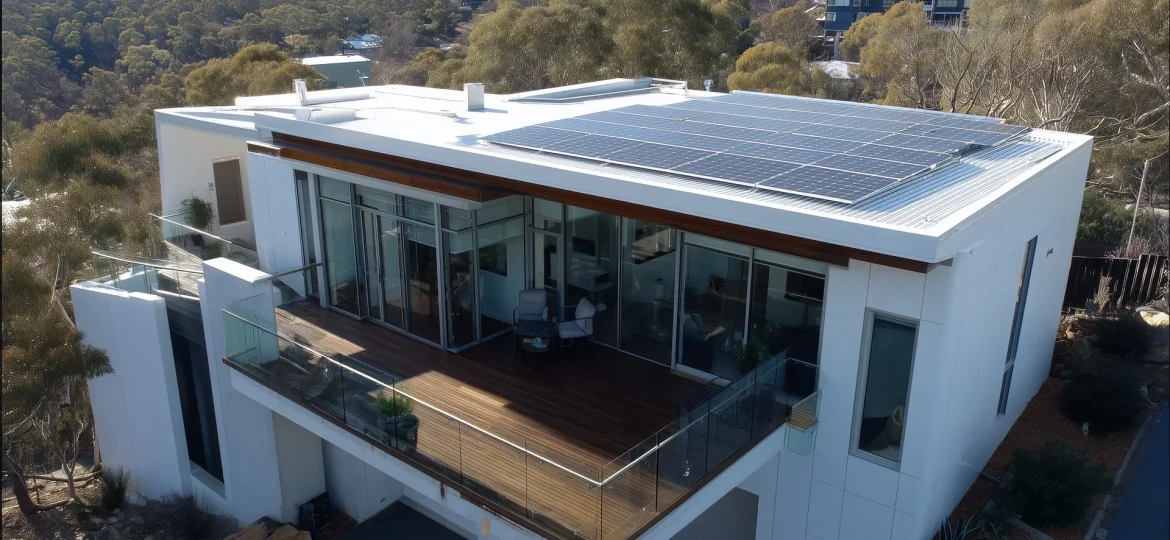
“This shift to renewables is a massive, massive challenge its also something we have to do and is a huge opportunity if we get it right. We need to be looking at all the available options like looking at ways to decentralise the grid and take some of the pressure off the big transmissions lines and ensuring we have as much roof top solar as we can through towns and cities but then investing in the big transmission infrastructure we are going top need for renewable projects. Looking at community batteries and ways for backup power, it’s going to be more and more important as we see more natural disasters. It’s a big challenge and we are starting to see governments working on it, but we aren’t seeing the speed that we need.
4. What more do you propose the federal government can do to incentivise the adoption of rooftop solar and electrical vehicles.
“Rooftop solar in Australia is a global success story, we have some of the cheapest rooftop solar in the world but we could see higher uptake. One of the things I have been pushing the federal government on is to have a number of suburb wide trials where we work with households to fully electrify by putting in solar, heat pumps, EV’s and induction cooktops and seeing how the prices come down then using that suburb wide trial to work out all the regulatory issues and things that we need to ensure its much more efficient and cheaper and that’s what we have done with solar we have brought all the appliance costs down.”
We thank Senator Pocock for his time.