




Why Canberra’s Future is All-Electric
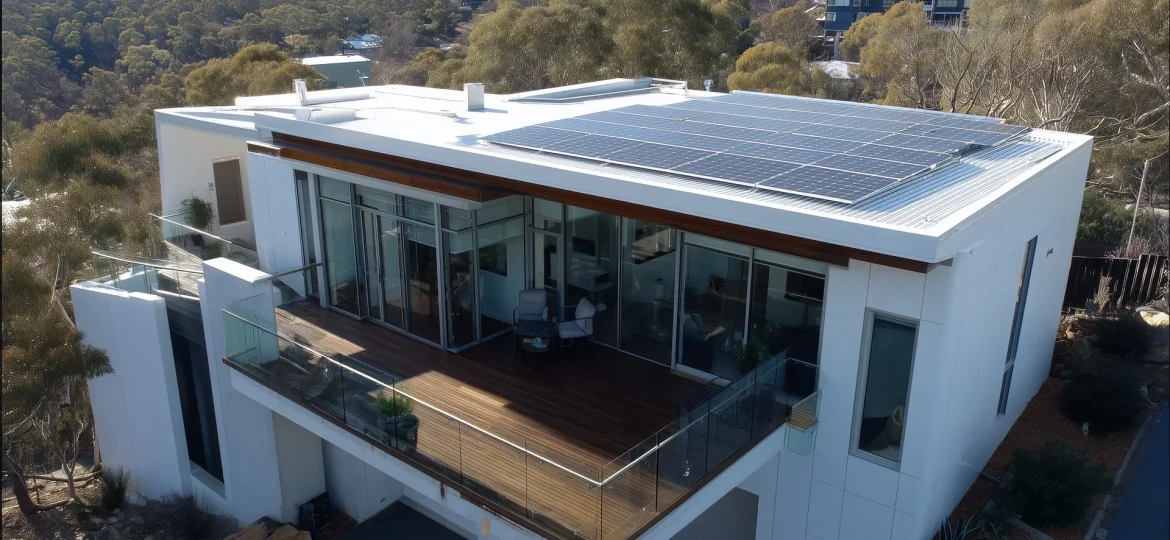
The ACT Government’s commitment to phase out fossil-fuel gas by 2045 isn’t a distant headline, it’s a clear signal for homeowners today. This government-led shift makes transitioning to an all electric home in Canberra a practical, forward-thinking decision that aligns your property with the future of the city. Rather than waiting, acting now allows you to get ahead of the curve and capitalise on significant financial support.
This year is particularly important. With new incentives making the switch more affordable than ever, the timing is ideal. The much-anticipated ACT government battery rebate, launching on July 1st, is set to make home energy storage far more accessible. We understand that coordinating plumbers, electricians, and solar installers can feel like a logistical puzzle. That’s why a turnkey electrification package is the simplest solution. This approach means local experts manage the entire process for you. Partnerships between specialists like Meta Electrical & Solar and JML Plumbing & Gas are specifically designed to deliver a coordinated, efficient, and seamless upgrade for your home.
Unpacking Canberra’s Home Electrification Incentives

Understanding the available financial support is the first step to reducing your gas to electric conversion cost. The current landscape of home electrification incentives in ACT is designed to make the transition affordable. Here’s a breakdown of what’s on offer for Canberra residents.
The headline incentive is the ACT Government Battery Rebate, which provides direct support for installing a home battery storage system. This can be combined with the federal Cheaper Home Batteries Program, which offers a significant discount on the installation cost, allowing you to stack savings for maximum benefit. Beyond batteries, the broader Home Energy Support program covers a range of upgrades. According to the ACT Government, the program offers substantial rebates for rooftop solar, heat pumps, insulation, and electric cooking appliances. You can find more details on the official climate choices website. Finally, the Energy Bill Relief Fund offers an extra layer of support by providing a direct credit on your electricity bills, helping to ease immediate cost pressures while you plan your upgrades.
| Rebate / Program | What It Covers | Potential Value | Key Eligibility |
|---|---|---|---|
| ACT Government Battery Rebate | Installation of a new home battery storage system | Specifics announced July 1st | ACT homeowners |
| Cheaper Home Batteries Program (Federal) | Discount on battery installation costs | Approx. 30% off installation | Combined with local rebates |
| Home Energy Support Program | Rooftop solar, heat pumps, insulation, electric cooking | Up to $5,000 for eligible households | Income-based eligibility |
| Energy Bill Relief Fund | Direct credit on electricity bills | Up to $150 | Eligible households and small businesses |
Note: This table summarises major programs available in 2025. Eligibility criteria and rebate values can change, so it’s essential to consult official sources or an accredited installer for the latest information.
A Practical Plan for Your Home’s Transition
Making the switch from gas to electric feels much more achievable when you break it down into clear, manageable steps. Here is a practical plan to guide your journey.
1. Start with a Home Energy Assessment. Before you buy a single appliance, you need to understand your home’s unique energy pulse. An assessment reveals your consumption patterns, pinpoints where gas usage is highest, and identifies the biggest opportunities for savings. This data-driven approach ensures every decision is strategic, not speculative.
2. Prioritise Your Upgrades. Few homeowners electrify everything at once. A staged approach makes the transition financially comfortable. We recommend tackling the biggest gas consumers first, which are typically space heating, hot water systems, and cooktops. By replacing these appliances with efficient electric alternatives, you make the most significant impact on your gas bills early on.
3. Design Your Solar and Battery System. With a clear picture of your energy needs, you can correctly size your solar and battery system. The design should be based on your energy assessment, available roof space, and future ambitions, like owning an electric vehicle. A well-planned solar panel installation in Canberra is the cornerstone of a truly self-sufficient electric home.
4. Work with Accredited Installers. This final step is crucial for a safe and compliant installation. Choosing certified, local professionals ensures your system is designed correctly and that all rebate applications are handled for you. A comprehensive turnkey service simplifies the entire journey, and you can explore complete packages designed for Canberra homes to see how it all comes together.
Selecting Your High-Efficiency Electric Appliances

Replacing your old gas appliances is an opportunity to upgrade to modern, safer, and more efficient technology. Here’s what to consider for each part of your home.
Heating and Cooling
For Canberra’s distinct seasons, a reverse-cycle air conditioner, also known as a heat pump, is the ideal all-in-one solution. These systems are incredibly efficient, providing warmth in winter and cooling in summer by moving heat rather than creating it through combustion. They offer precise temperature control and can significantly reduce the energy consumption previously dedicated to a gas furnace.
Hot Water Systems
Heat pump hot water systems are another star performer in an all-electric home. They work by capturing ambient heat from the air to warm your water, making them up to four times more efficient than conventional electric storage tanks. With trusted brands like Rheem, you get reliable performance and major long-term savings on one of your home’s biggest energy expenses.
Electric Cooking
Making the switch from a gas stove to an induction cooktop is a revelation for many home cooks. Induction technology uses magnetic fields to heat the pan directly, offering faster heating, instant temperature adjustments, and superior energy efficiency. Brands like SMEG provide sleek designs that are also safer, with no open flame and a surface that cools down quickly.
Future-Proofing with EV Charging
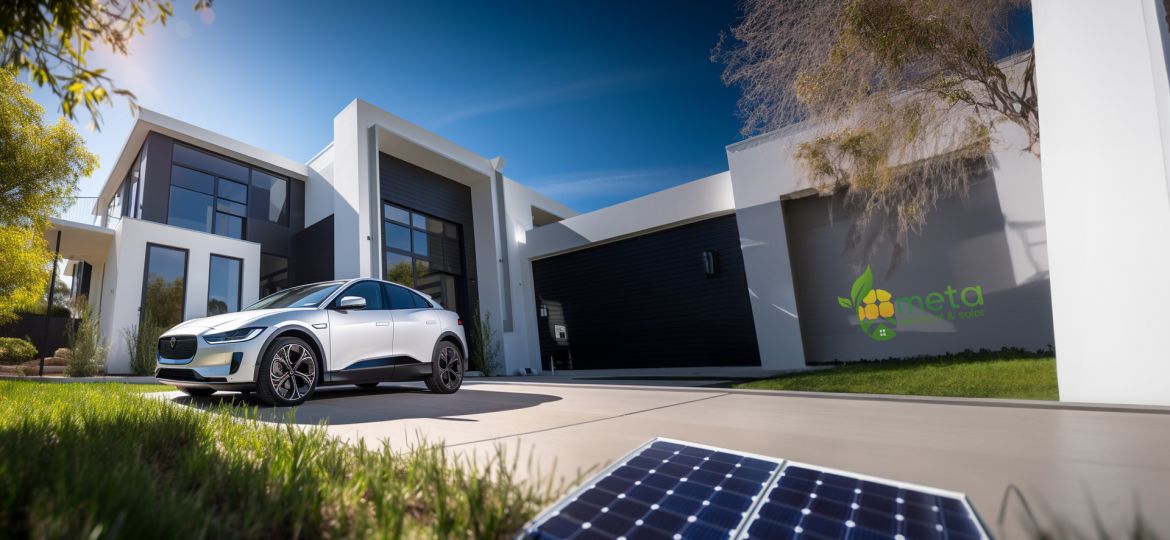
As you electrify your home, it’s smart to think about the car in your driveway. Integrating an EV charger during your upgrade is a logical next step, preparing your home for the future of transport. For those planning ahead, a range of home charging solutions are available to complete your sustainable ecosystem.
Adding a Battery to Your Existing Solar Setup
A common question we hear is, “Can I add a battery to my solar panels later?” The answer is a definite yes. Many Canberra homeowners start with solar panels and add storage once their budget allows or when new rebates become available. It’s a common and entirely feasible upgrade path.
To ensure a smooth addition, a few technical elements need to be right. The most important is having a ‘hybrid-ready’ inverter, which is designed to manage energy flow from both solar panels and a battery. You also need to ensure your switchboard has enough physical space and electrical capacity to accommodate the new components. Finally, your existing solar panel layout should be optimised to avoid shading, as this ensures the battery can be charged efficiently. A qualified installer can assess your current setup and make the process straightforward. Understanding how solar and battery systems work together is key to maximising your investment.
Navigating Electrification in Older Canberra Properties

Electrifying an older or heritage-listed home in suburbs like Forrest or Reid presents unique considerations, but it is absolutely achievable. These properties often require more careful planning, and it’s wise to consult with the ACT Heritage Unit early on. The policies are generally supportive of upgrades that are done respectfully and maintain the character of the home.
Practically speaking, the biggest task is often a major switchboard upgrade to handle the increased electrical load. The existing wiring may also need assessment and potential reinforcement. As a report from the Australian Gas Infrastructure Group noted, these factors can add complexity, underscoring the need for expert planning. While these challenges exist, they are entirely manageable with experienced installers who are familiar with Canberra’s classic homes and heritage requirements. With the right team, even the most historic properties can be part of a sustainable future.
Your First Step Towards a Cleaner, Cheaper Home
Transitioning to an all-electric home is one of the most impactful decisions you can make. It directly contributes to the ACT’s climate goals, improves local air quality for our community, and delivers significant, ongoing savings by freeing your household from volatile gas prices. It’s a move that pays dividends for your wallet and the environment.
With a powerful combination of government incentives and expert local partnerships, this transition is more accessible and affordable than ever before. A turnkey solution from providers like Meta Electrical & Solar and JML Plumbing & Gas removes the complexity, ensuring every step is handled with professional care and delivering exceptional value. The journey to a cleaner, cheaper, and more resilient home starts with a single step. To begin, we encourage you to get a professional assessment and a tailored quote from your local Canberra solar power experts.