




Australia has announced its National Electric Vehicle Strategy, aimed at accelerating the adoption of electric vehicles (EVs) in the country. The strategy was developed in consultation with industry, state and territory governments, and other stakeholders.
The government has set a target of reaching a minimum of 50% of new car sales being EVs by 2030. This is expected to reduce emissions, improve air quality, and create new economic opportunities in the EV sector.
To achieve this goal, the strategy includes a range of measures, such as:
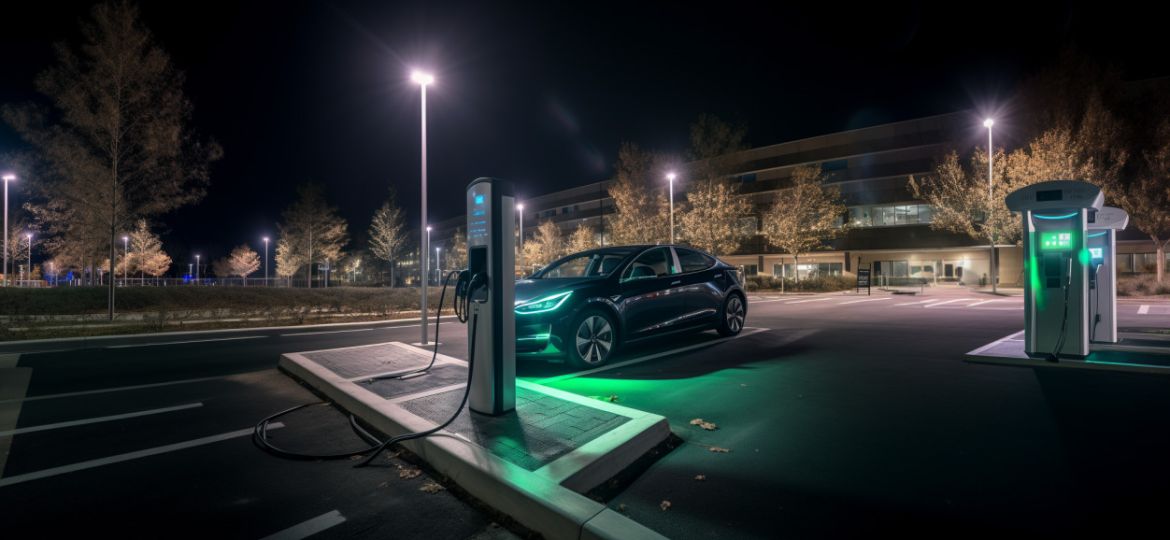
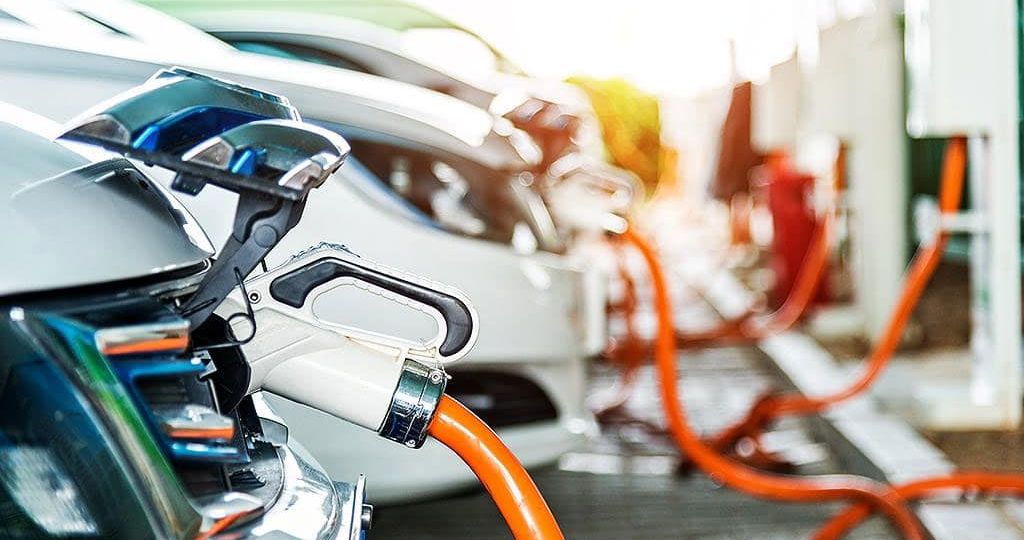
- Encouraging the rollout of fast-charging infrastructure across the country, particularly in regional areas, to increase the range of EVs and reduce range anxiety.
- Providing incentives for consumers to purchase EVs, such as tax breaks and grants.
- Working with industry to develop new standards for EVs and charging infrastructure.
- Investing in research and development to improve EV technology and reduce costs.
- Encouraging the uptake of EVs in the government and business sectors.
The government has also committed to leading by example by increasing the number of EVs in its own fleet.
The strategy has been welcomed by industry groups and environmental organizations. However, some critics have argued that the targets are not ambitious enough and that the government should be aiming for 100% EV sales by 2030.
Despite these criticisms, the National Electric Vehicle Strategy represents an important step towards a cleaner, more sustainable transport system in Australia. As EV technology continues to improve and costs come down, it is likely that we will see increasing numbers of Australians making the switch to electric vehicles over the coming years.
The Australian Government has taken a bold step towards a greener future with the announcement of its National Electric Vehicle Strategy. The strategy outlines a plan to accelerate the adoption of electric vehicles (EVs) across the country with a target of at least 50% of new car sales being EVs by 2030. This move is expected to significantly reduce emissions, improve air quality, and create new economic opportunities in the EV sector.
One of the key measures in the strategy is to encourage the rollout of fast-charging infrastructure across the country. This is particularly important in regional areas where range anxiety is a major concern for potential EV buyers. By increasing the range of EVs, this measure is likely to make EVs a more attractive option for many Australians.
In addition to infrastructure, the government is also providing incentives for consumers to purchase EVs, such as tax breaks and grants. This is aimed at making EVs more affordable and accessible to a wider range of people.
The government is also working with industry to develop new standards for EVs and charging infrastructure, and investing in research and development to improve EV technology and reduce costs. These measures are likely to drive innovation in the EV sector and lead to more affordable and efficient EVs in the future.
The strategy also includes a commitment to increasing the number of EVs in the government and business sectors. This is a significant move that is likely to drive demand for EVs and encourage more Australians to consider making the switch to electric vehicles.
Overall, the National Electric Vehicle Strategy is an important step towards a cleaner, more sustainable transport system in Australia. While some critics have argued that the targets are not ambitious enough, the strategy represents a significant shift towards a greener future for the country. As EV technology continues to improve and costs come down, it is likely that we will see increasing numbers of Australians making the switch to electric vehicles over the coming years.
READ MORE
National Electric Vehicle Strategy Australian Government
Fuel efficiency standard, have your say Australian Government
Transport and reducing emissions Australian Government